
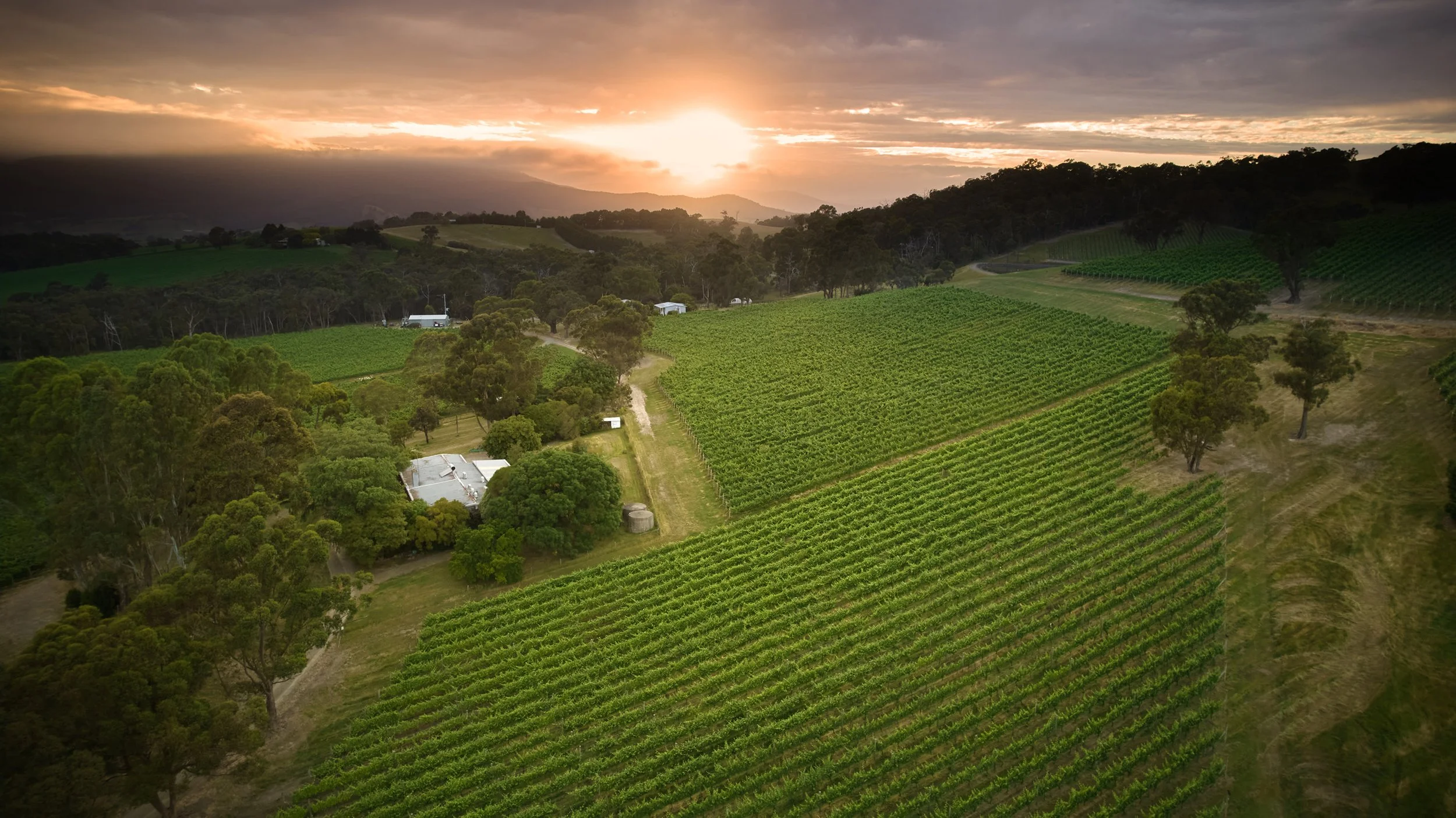
Practicing sustainable land management.
First Nations people lived sustainably in and around the Yarra Valley for 60,000 years.
In the past nearly 200 years, the early settlers in the Yarra Valley imposed European methods of agriculture and later, the forests were logged to provide timber needed by the ever expanding Melbourne. Sustainability was not a high priority.
Today, sustainable land and water management practices are slowly becoming an integral part of our rural industries and our lifestyle.

Yesterday
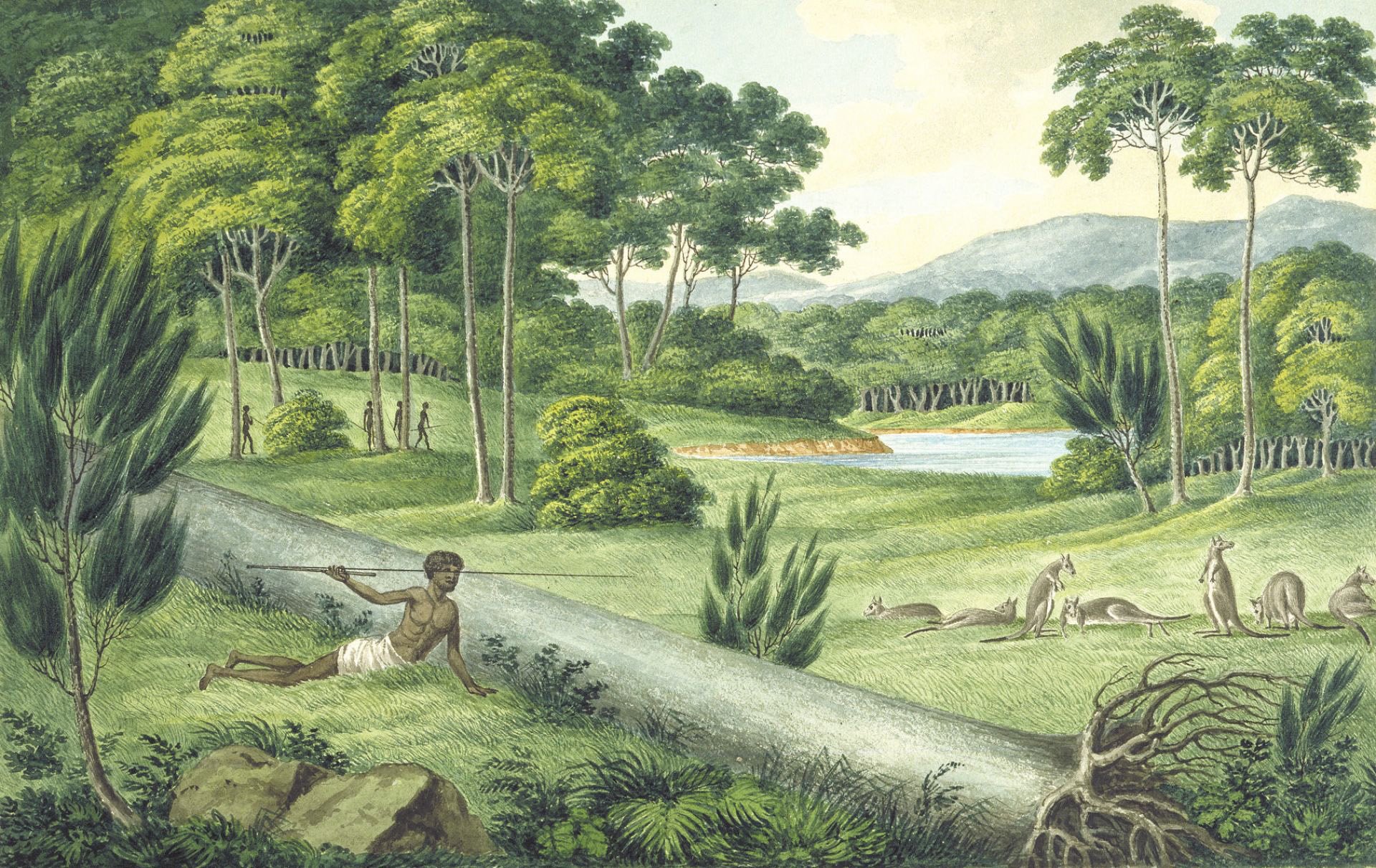
First Nations people lived a sustainable life
Traditional life was self-sufficient, guided by deep knowledge of land, seasons and sustainable harvesting. People moved with food cycles, using skilled hunting, fishing, gathering and controlled burning to care for Country. Men and women held distinct food-gathering roles, and earth ovens enabled efficient, communal cooking grounded in respect for land and its rhythms.
Colonisation - European farming and the timber industry
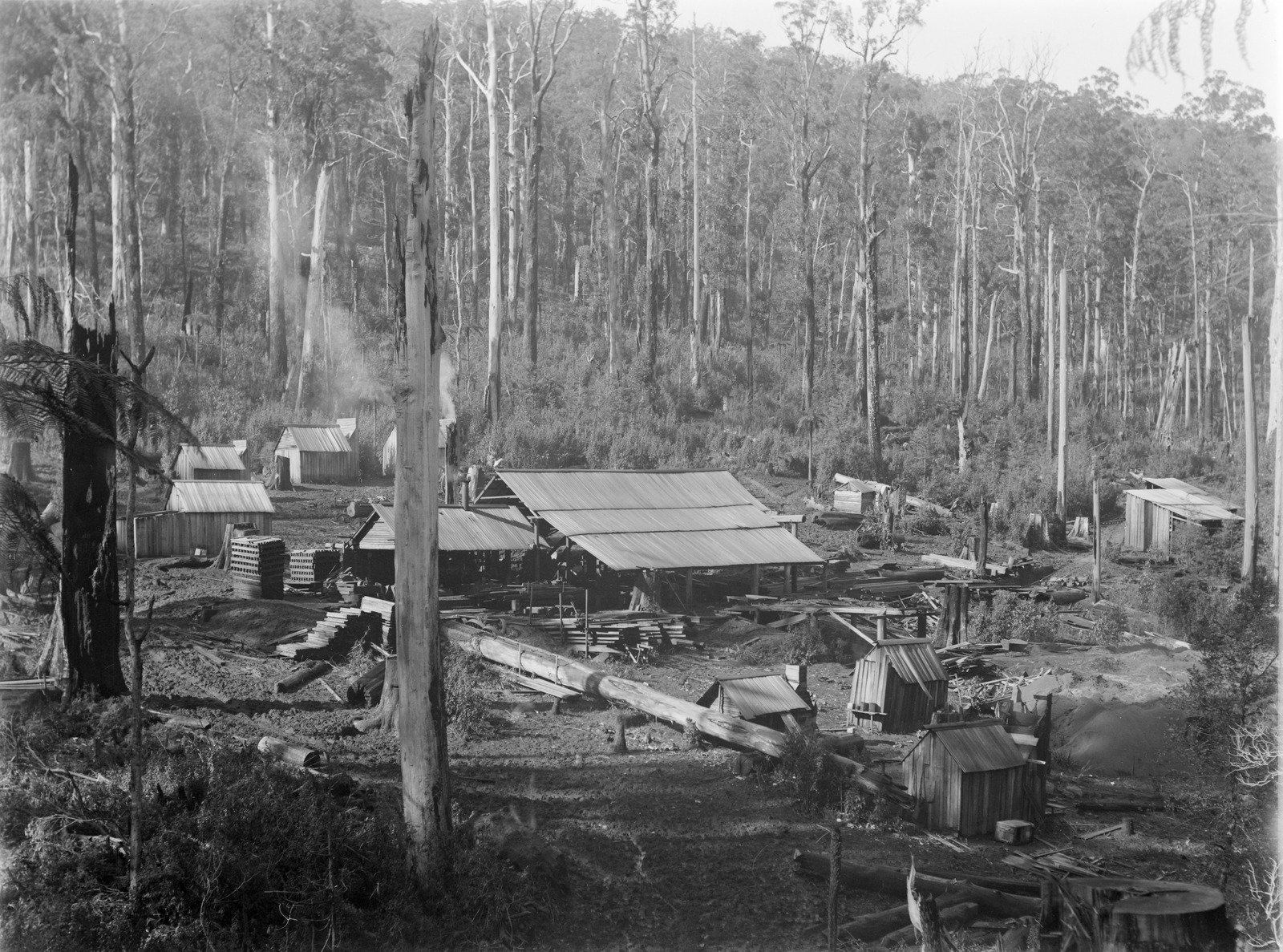
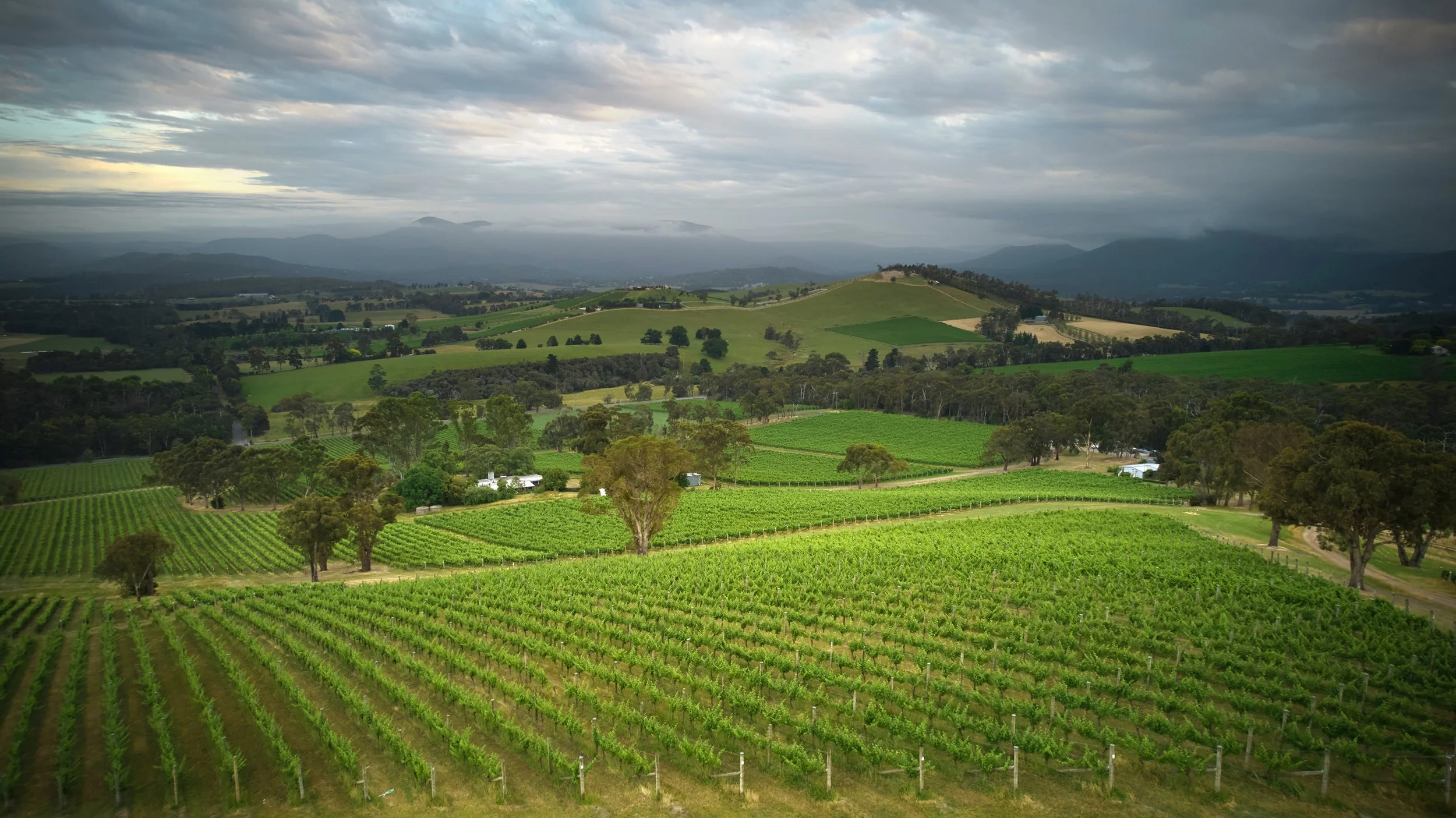
After colonisation, sustainable land management was not a priority. Agriculture began with grazing in the 1830s, followed by pioneering vineyards in 1838. After international success in the late 1800s, the wine industry declined and farming shifted to dairy and beef cattle. The region also has a long history of timber industry, particularly in the Upper Yarra area. Deadlystory.com
Introduction of non irrigated wineries in 1970’s
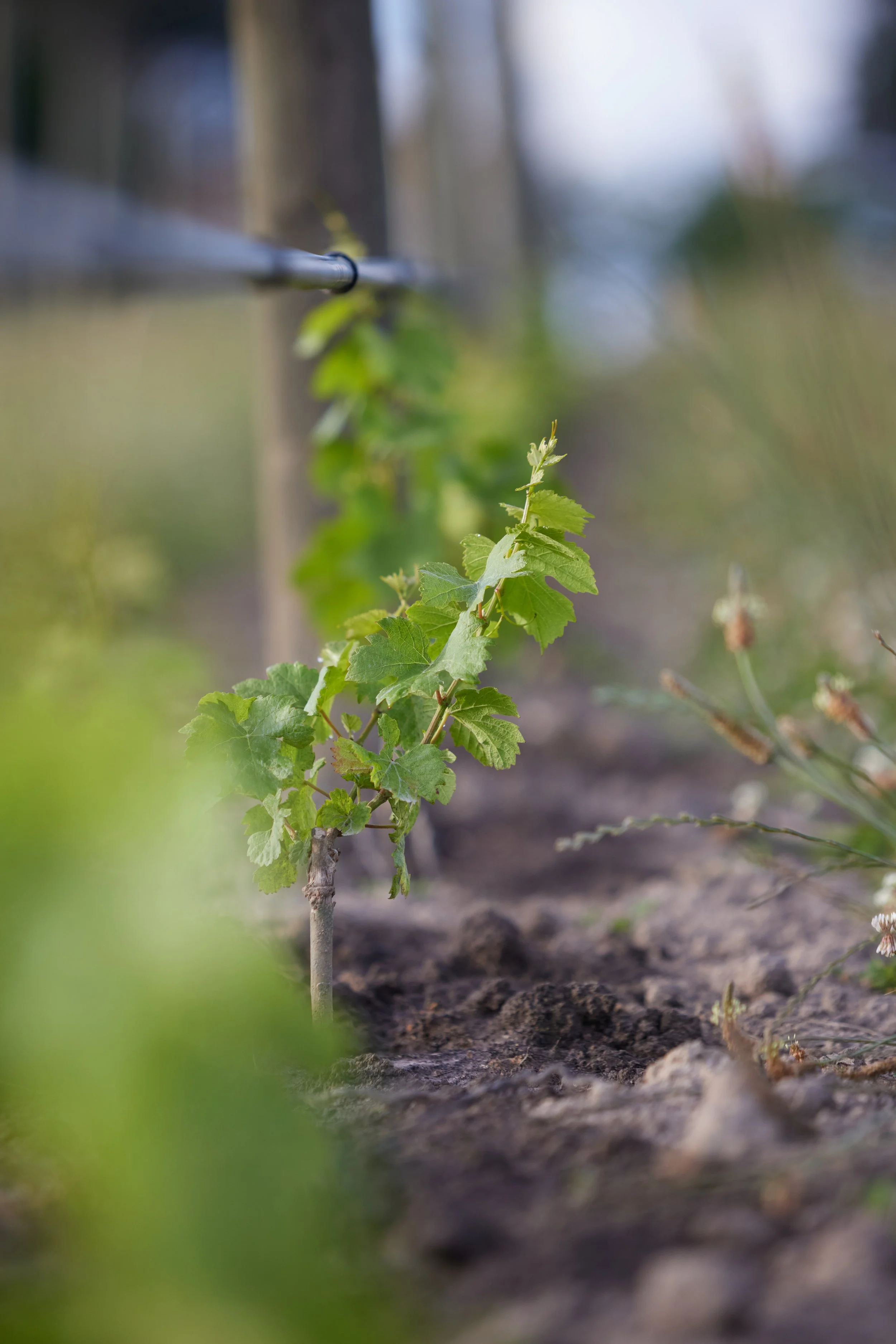
In the winemaking revival, new wine growers recognized the region's potential for producing high-quality cool-climate wines. Their wines were produced from non-irrigated vines that have been "dry-grown" relying on natural rainfall to water its vines.
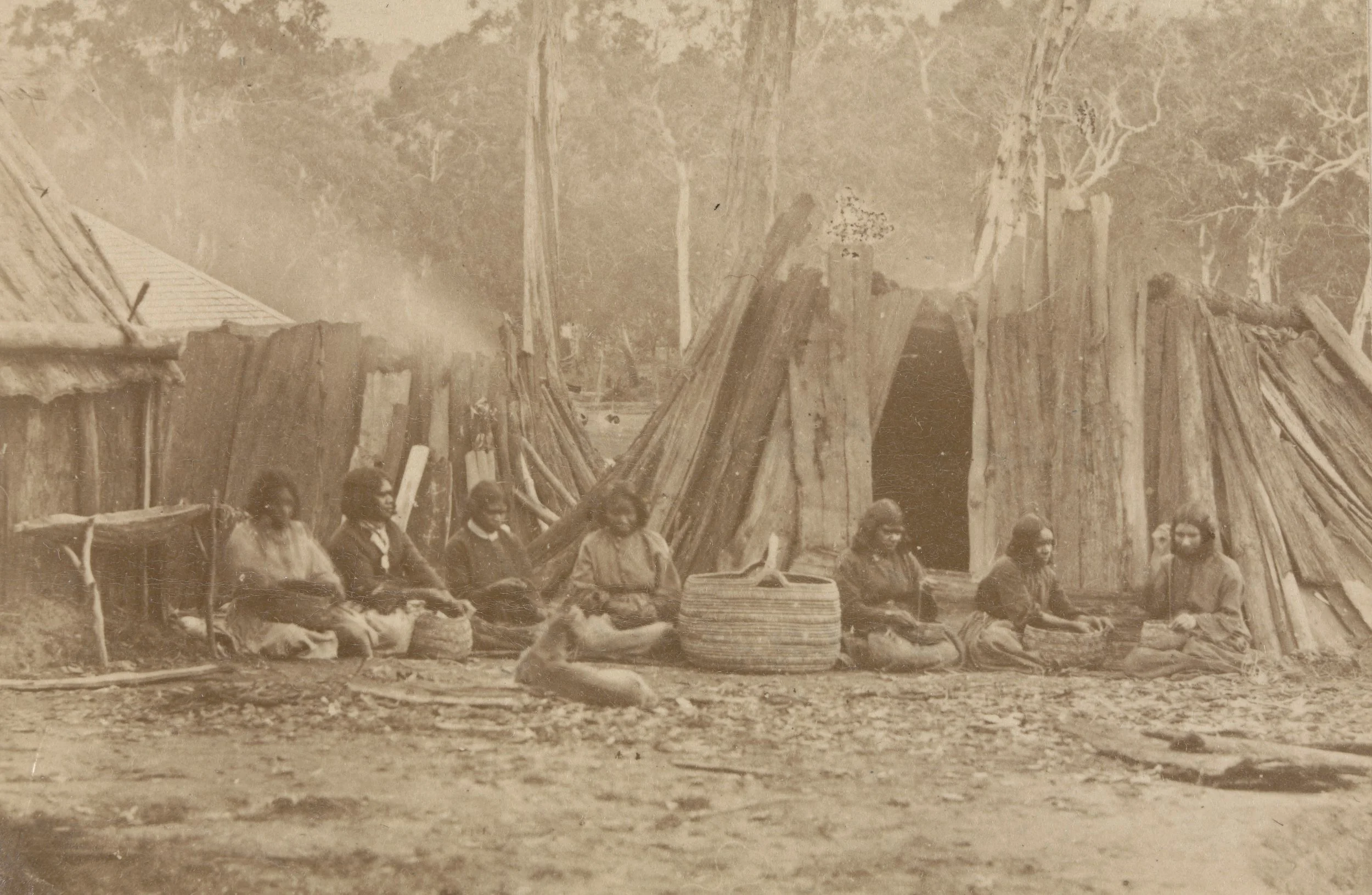
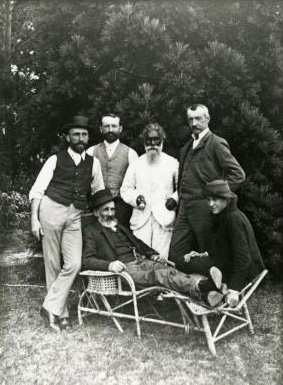
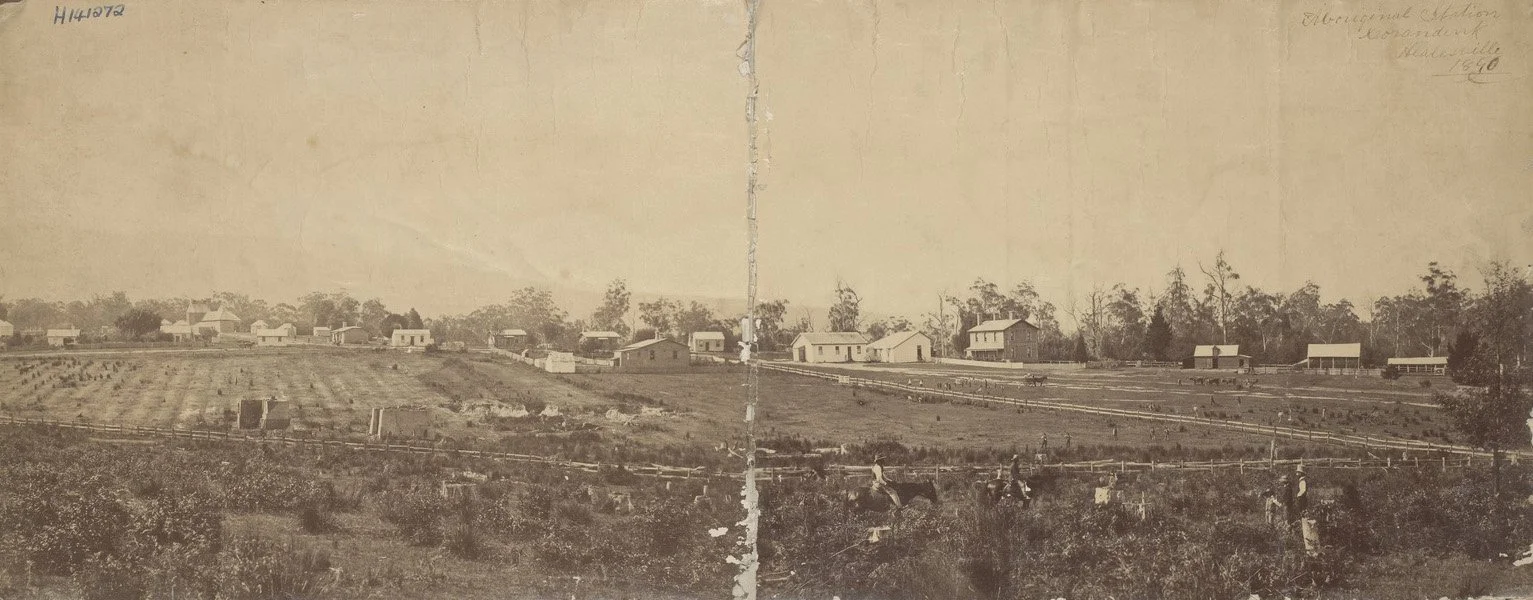
Coranderrk Station. Nicola Stairmand, State Library of Victoria
Today
Adoption of sustainable management practices is becoming increasingly widespread in the wine industry and in commercial nurseries.
Extensive information, advice, technical and financial assistance is available to farmers and land owners. At the community level, organisations like Landcare are leading our revegetation efforts.
Our understanding of sustainability is also broadening as we recognise the importance of bio-diversity.
Learning from to First Nation’s knowledge & practices
First Nation’s land and water management practices are based on observation, understanding and learning to work in partnership with nature, adopting a long-term perspective.
Today our farmers and growers are reaching out to people such as Dave Wandin at Coranderrk for advice. As Dave says, let’s combine ancient wisdom and modern science.
Farmers and growers adopting more sustainable practices
Farmers and growers are responding to two growing pressures. These are consumer demand for produce to be grown in a sustainable way. For example, reducing greenhouse gas emissions and the increasing costs of production, e.g. electricity.
A good case study is Larkman Nursery’s investment in energy technologies to reduce both cost and production risks. Agribusiness Yarra Valley (Agribusiness Yarra Valley is dedicated to continuing advancement of agribusiness in the Yarra Ranges)
Wine industry implementing new sustainable initiatives
Reducing water use, reducing greenhouse gas emissions, overcoming waste water challenges, increasing bio diversity, vineyard soil remediation and the adoption of organic viticultural practices.
These are some initiatives recently undertaken by Yarra Valley wine growers as they respond to our changing climate, increasing costs and consumer demand.
Community based sustainability projects
In the Yarra Valley today, at the community level, there is a strong and growing momentum to improve our sustainability across a wide range of areas. One of the many local initiatives is Healesville Community Renewable Energy which offers expert advice and through bulk buying, cheaper access to solar panels, heat pumps, batteries etc.
Landcare (Volunteering for the helmeted honeyeater)
No Reason 4 Rubbish (Rubbish Warriors)



Tomorrow
Taking action. It’s now relatively easy to take the first steps beyond learning and talking to doing something practical.
Whether you are an individual or family, a community group or school, a farm or a business of any kind, we have easy access to ideas, information, best practice guides, expert advice, technical and financial support to help in the adoption of sustainable land, water and bio-diversity management practices.
What we can do as individuals, in our community, as a business?
What is your priority, your capacity? A good first step is to learn more, e.g. about our First Nations history, about the range of local sustainability initiatives, about the opportunities to contribute in our community. Do you want to just do things by yourself, e.g. grow bush food or volunteer to help, e.g. join Landcare? See the links for more information.
Finding information and advice. Accessing financial, technical and practical support
Hooray for the internet! Fortunately, today it is relatively for each of us as an individual or family, as a community organisation or as a business to find information. Even better, the internet is a great resource to help find case studies, practical advice and where to find support for your initiatives. See the links for more information.